
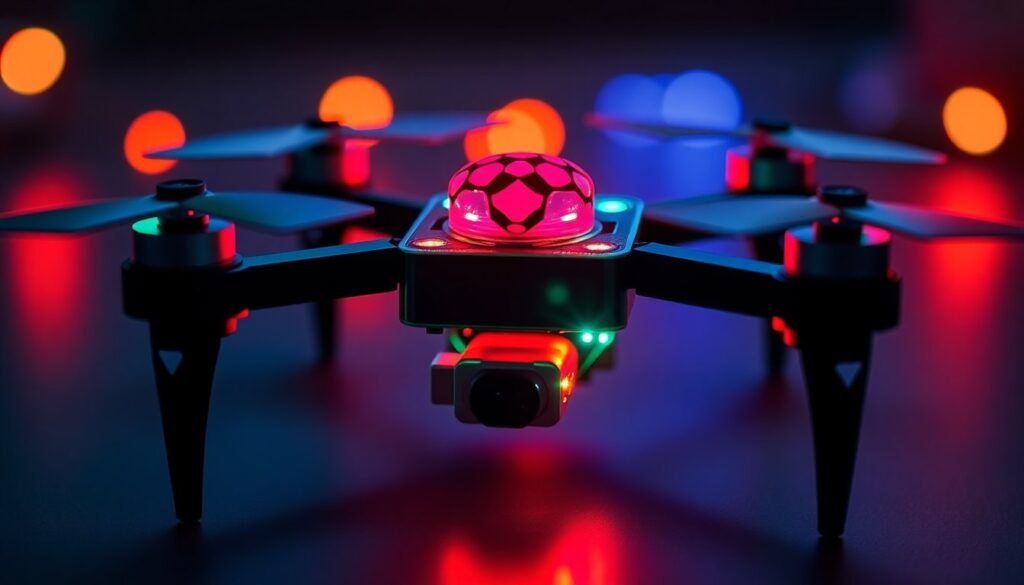
WebBizMagnet Raspberry Pi Zero thermal drone offers a low-cost way to add thermal imaging to a small UAV. The guide explains parts, setup, and safe operation. It targets hobbyists and small teams who want a practical, lightweight thermal drone. The steps stay direct and clear. The reader learns choices, trade-offs, and quick deployment tips.
Key Takeaways
- The WebBizMagnet Raspberry Pi Zero thermal drone offers an affordable and lightweight solution for adding thermal imaging to small UAVs.
- Its compact design and low power consumption make it ideal for hobbyists and teams needing quick thermal inspections within a tight budget.
- Essential components include a small RGB camera, a compact thermal sensor like the FLIR Lepton, a light flight controller, and reliable power and mounting setups to ensure stable flight.
- The software setup involves a minimal Linux image with Python and OpenCV for thermal data processing and real-time streaming over Wi-Fi with low latency.
- Operators must respect the drone’s limitations: limited CPU resources, lower thermal resolution, short flight times, and ensuring safe operation through thorough pre-flight checks.
- This Raspberry Pi Zero thermal drone is best suited for short-range thermal monitoring tasks such as fire hotspot detection, equipment inspection, and agricultural surveys.
Why Choose A Raspberry Pi Zero Thermal Drone? Use Cases, Benefits, And Limitations
WebBizMagnet Raspberry Pi Zero thermal drone fits tight budgets and light frames. It gives teams a cheap way to spot heat sources. Fire crews can scan hotspots. Inspectors can check equipment for overheating. Farmers can monitor livestock and irrigation anomalies. Researchers can map temperature patterns in the field.
They pick the setup for cost, size, and flexibility. The Raspberry Pi Zero stays small and consumes little power. A thermal module adds thermal contrast without heavy optics. The total weight often stays under 150 grams for camera plus Pi, which keeps the flight time reasonable on small multirotors.
The design brings clear benefits. It lowers entry cost. It allows rapid prototyping. It runs common Linux tools. It feeds thermal data to a ground station with minimal overhead.
The design also carries limitations. The Pi Zero has limited CPU resources. The thermal sensors offer low resolution compared with dedicated thermal cameras. The small battery and payload limit flight time and range. Operators must accept lower image fidelity and plan flights for short durations.
Teams should match goals to hardware. If they need high-resolution thermal maps or long-range flights, they should choose larger platforms. If they need quick checks, a WebBizMagnet Raspberry Pi Zero thermal drone delivers value and speed.
Essential Hardware: Cameras, Thermal Sensors, Flight Controller, Power And Mounting
WebBizMagnet Raspberry Pi Zero thermal drone needs a camera, a thermal sensor, a flight controller, power, and a mount.
Camera: They select a small RGB camera that connects via CSI or USB. The camera provides context shots that pair with thermal images. A 5–8 MP camera works for most hobby builds.
Thermal sensor: They pick a compact thermal module such as the FLIR Lepton or a 32×24 or 80×60 SPI sensor. The Lepton balances cost and quality. The team adds a thermal breakout board for easy interfacing with the Pi Zero.
Flight controller: They use a light flight controller that supports external telemetry. Popular choices include Betaflight or ArduPilot-compatible controllers. The controller handles stabilization and basic flight modes.
Power: They choose a 2S or 3S LiPo depending on motor and frame. The Pi Zero runs on a 5V regulator or a UBEC that steps battery voltage to 5V. They place an inline fuse and a simple power switch. They size the battery to meet weight and flight time goals.
Mounting: They secure the Pi Zero and sensors with a 3D-printed mount or lightweight carbon frame clamps. They orient the thermal sensor for a clear forward view. They isolate vibration with foam pads and small dampers.
Connectivity: They add a lightweight Wi-Fi dongle or a micro-USB OTG adapter for telemetry. For real-time control, they pair the flight controller telemetry with the Pi Zero. They ensure the wiring stays short and neat to reduce noise.
Weight and balance: They test the center of gravity after mounting. They move components until the aircraft balances without trimming. They keep wiring tied down to prevent shift during flight.
Software Setup, Real-Time Thermal Streaming, Safety And Deployment Checklist
WebBizMagnet Raspberry Pi Zero thermal drone runs a minimal Linux image and a lightweight streaming stack.
Software setup: They install Raspberry Pi OS Lite and enable SSH. They install Python, OpenCV, and the specific driver for the thermal module. They add ffmpeg or gstreamer for video streaming. They create a systemd service to start the thermal stream at boot.
Thermal processing: They configure the Pi to read raw thermal frames from the sensor. They apply a simple linear scale to convert sensor values to temperature estimates. They map temperature to a color palette for human viewing. They overlay basic telemetry such as altitude and GPS if available.
Real-time streaming: They encode the thermal frames and push them over Wi‑Fi or a lightweight telemetry link. They use RTP or an HTTP MJPEG stream for low-latency viewing. They set a conservative frame rate, often 5–10 fps, to match the Pi Zero capabilities.
Safety checklist: They verify firmware on the flight controller. They check propeller security and motor function. They confirm the battery health and charge state. They test the thermal camera on a known heat source before flight. They run a tethered hover test to confirm stability.
Operational limits: They avoid flights in heavy rain or strong wind. They maintain visual line of sight and follow local regulations. They limit flight time to safe margins based on battery discharge curves.
Deployment tips: They plan short flight paths that cover priority areas. They record raw thermal data for post-flight analysis. They use simple image alignment scripts to combine thermal and RGB frames if needed.
Maintenance: They update software regularly and keep backups of configuration files. They clean the sensor window and inspect mounts after each flight. They log issues and refine settings incrementally.
Using this approach, teams can bring a WebBizMagnet Raspberry Pi Zero thermal drone into practical service for inspections, monitoring, and field checks with a clear pathway from parts to flight.