
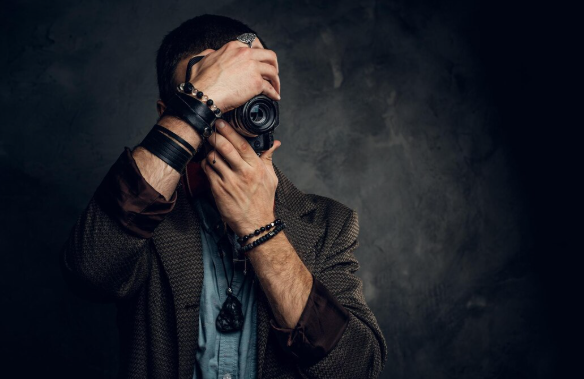
You do not get good pictures by luck. They are the result of proper attention, time, and a bit of skill. However, you do not need big gear or a professional kit to get nice shots. What you need is a keen eye and some smart tips. Each click can tell a tale if you set it right.
If you love to take pictures on trips, at home, or out in the park, these tips can help. They are easy to try and can lift your pictures fast.
1. Use the Right Camera
The first step is to pick the right camera. It helps you get clear and sharp pictures. But this does not mean you must buy a huge kit. Even a small camera can do a fine job if you know how to use it well. For example, many people shop Panasonic Lumix TZ300 camera when they want a mix of zoom, size, and ease. A camera like this is light to hold and easy to pack. It can work well for trips, street shots, and day hikes.
Keep in mind that the camera is just a tool. What you do with it counts more. You must learn the basic modes on your camera. Try the focus set, test burst mode, and see how it acts in low light and bright sun.
2. Master Light
Light is key in any picture. Bad light can spoil a nice view, and good light can turn a plain scene into art. This is why photographers can improve fast once they learn how light works. Soft light is often best. Early sun or late sun gives warm tones. This time of day is known for rich glow and long shade. Many call it the best time to shoot.
You should try to face the light in a smart way. If the sun is too harsh, move a bit and stand where the light hits the side of your shot. This can add depth and mood. Clouds can help too. A grey sky can act like a soft lamp. It spreads light in a calm way. This is great for face shots and close pictures.
Moreover, you should watch for light from lamps, shop signs, or small bulbs at night. These can give cool effects. Play with light and see how it shapes your frame.
3. Control the Exposure Triangle
Controlling exposure may sound complex, but it is not hard once you try it. The exposure triangle has three parts: ISO, aperture, and shutter speed. These three work as a team to set how bright or dark your picture will be.
ISO sets how much light your camera takes in. A low ISO works well in the sun, while a high ISO helps in dark spots, but it may add grain. The aperture sets how wide the lens opens. A wide open lens lets in more light and can blur the background of the shot. But a small open lens keeps more of the shot sharp.
Shutter speed sets how fast the camera takes the picture. A fast speed can stop motion, and a slow speed can show blur from movement or flow. Play with these three and test in safe spots first. Soon you will feel how they work as a team.