
For modern athletes, recovery is just as important as the intense competitions and training sessions they put themselves through. However, thanks to innovative new technology, there’s no shortage of tools and gadgets available to monitor, manage and optimise the process.
From smart wearables and sleep trackers to biometric and data-driven tools that help them better understand their bodies, athletes have access to more information than ever before. These tools can track everything from heart rate to sleep quality, allowing recovery routines to be tailored to an athlete’s unique requirements. That makes recovery a more personalised, proactive, data-driven process based on real-time information.
In this article, we’ll explore the smart technologies helping athletes recover faster and explain how they’re changing the way sports professionals approach rest, rehabilitation, and performance. But don’t forget that as sports technology continues to improve how athletes train and recover, DraftKings gives fans another way to stay connected with the action through football betting markets and game-related insights.
Smart Watches
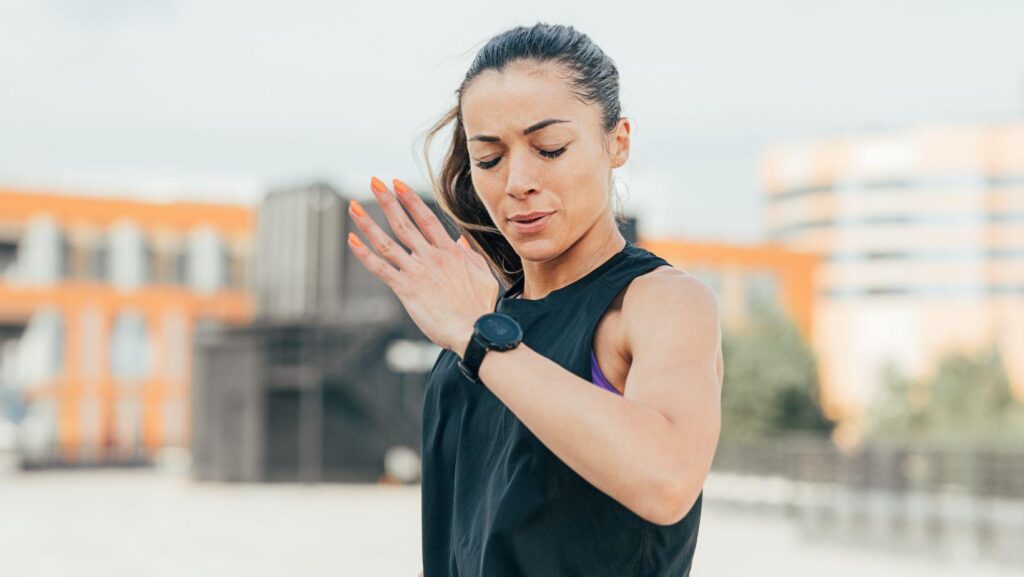
Smartwatches and fitness bands have become common pieces of equipment for today’s athletes. Their success has also made them hugely popular amongst amateur athletes and anyone looking to track sleep patterns or daily step counts.
They track real-time physiological data such as heart rate, calories, and distance. The information gives athletes and coaches a more accurate picture of a body’s workload and fatigue levels rather than just relying on how an athlete may feel. This enables training patterns and recovery schedules to be adjusted accordingly, maximising their results.
Sleep Trackers
Sleep is a hugely important factor in any athlete’s recovery process. It is vital for muscle repair, injury prevention, and even an athlete’s mental ability and reaction times. Deep sleep is key; it allows the body to repair muscles and replenish depleted energy stores. A lack of sleep increases injury rates and reduces stamina levels.
Sleep trackers, such as the popular Oura Ring, are used to collect important biometric data. These include sleep duration, regularity, and quality. It can even measure SpO2 levels, allowing athletes to track how well their body delivers oxygen.
By analysing this data, sleep patterns can be improved by cutting out poor habits and adjusting routines. That could mean altered training times and intensity or even a reduced travel or competition schedule.
Compression and Recovery Devices
Compression devices range from more common items such as sleeves or tights to high-tech dynamic pneumatic boots with motorised pumps. Compression items work by applying controlled pressure to the area, while dynamic garments inflate and deflate different sections to create a massage-like effect.
Compression devices are known to improve blood circulation, reduce swelling and lactic acid build-up, improve joint mobility, and relieve muscle soreness. To survive the hits and high intensity of the NFL, compression devices are vital tools for football players.
Compression socks, sleeves or tights, are often worn by players on flights to games, while items such as dynamic compression boots are common sights in every post-practice NFL training room. During games, wide receivers and running backs are also regularly seen wearing compression sleeves to keep their muscles warm and protect against turf burns.
Cold and Heat Technology
The use of temperature-based recovery treatments has exploded in recent years. Heat-controlled recovery tools such as Theragun utilise special heating pads to maintain a consistent temperature to optimise muscle recovery, pain relief, and circulation.
Cold-controlled temperature recovery tools such as Therabody use targeted, controlled cooling to manage athletes’ inflammation, swelling or pain. These wearable devices provide consistent temperature therapy compared to traditional ice packs.
Most professional football or soccer teams utilise cryotherapy to speed up their players’ recovery times and get them back on the field as soon as possible. A full body cryotherapy chamber uses nitrogen gas to send temperatures as low as -230° F.
They are similar to an ice bath, but instead they provide a dry cold, don’t take as long, and are proven to be more effective. Stephen Curry, Erling Haaland, Cristiano Ronaldo, and LeBron James are all known to be fans of the treatment.
The Future of Athlete Recovery Technology
In the world of professional sports, victory often comes down to fractions, which is why the recovery technology market is booming and continues to evolve at pace. In the future, further advances in AI will utilise information from an even broader spectrum of smart technologies to provide data-driven, personalised plans for individual athletes.
Real-time biometric data will be continuously monitored throughout the day, giving athletes and coaches a clearer picture of fatigue and readiness, rather than reacting after match days or training sessions. However, while increasingly sophisticated data collection provides a more detailed understanding of an athlete’s recovery, the unique qualities of professional judgement mustn’t be removed from the decision-making process.
Experts predict that recovery technology, such as smart watches, rings or bands, will eventually become part of people’s daily body care routines. One thing is certain, however: smart recovery technology is here to stay, and it’s only going to get better. What was once a niche product for a few elite athletes is now a must-have for every professional sportsperson.