
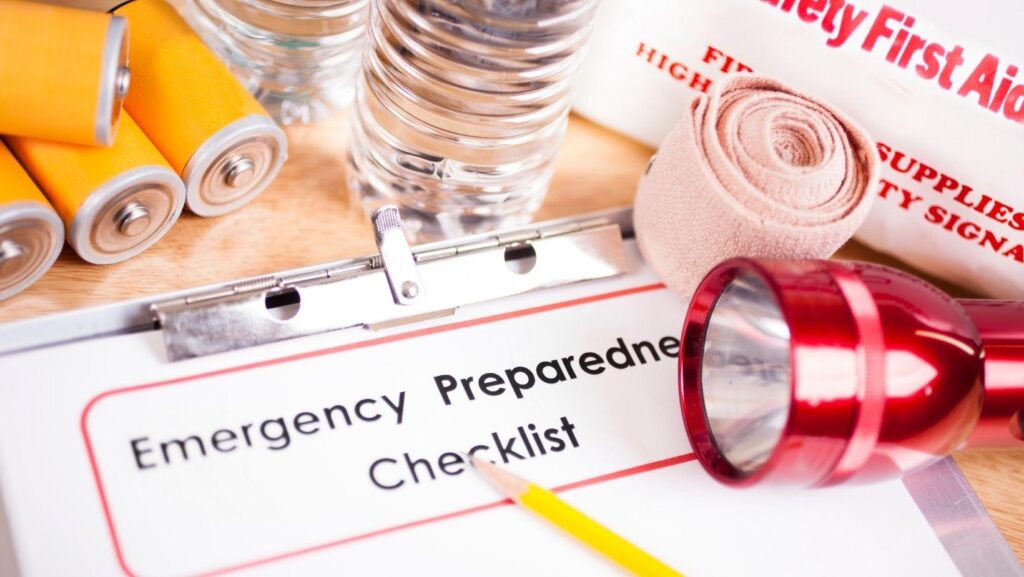
As thousands of students cross the stage at graduation, the job market in Brampton is getting more competitive by the minute. While a solid diploma certainly gets you an interview, local employers are actively looking for something extra. They want staff who are ready to handle real-world challenges, including sudden medical emergencies on the warehouse floor or in the office. For students and job seekers, finding accessible First Aid training near Sheridan College is one of the smartest, most direct ways to boost a resume. Emergency preparedness isn’t just a tedious legal requirement for businesses; it is a critical career skill that sets candidates apart from the crowd.
Brampton is a booming city with massive logistics hubs, retail centers, and corporate offices. Because of this, the intersection of education and workforce readiness has never been more important. Let’s look at why local companies are desperate to hire staff who already know how to handle a crisis.
Why Do Brampton Employers Value Safety Training So Highly?
Running a business in Ontario means dealing with strict provincial regulations. The Workplace Safety and Insurance Board (WSIB) legally requires every single workplace to have a certain number of certified first aid representatives on shift at all times.
For a busy warehouse manager or a retail store owner, keeping track of who is certified and when their certificates expire is a massive headache. When a recent graduate walks into an interview with a valid Red Cross safety certificate already in hand, it is a huge relief for the hiring manager. It saves the company time, saves them the cost of training a new hire, and immediately checks off a major legal compliance box. The employer instantly sees you as a responsible, proactive asset to their team.
What Kinds of Emergencies Actually Happen at Work?
It is easy to assume that unless you work in heavy construction, you won’t ever need to use emergency skills. But medical emergencies are incredibly common across all industries.
In every single one of these scenarios, waiting ten minutes for paramedics to arrive can be deadly. When an employee knows exactly how to step in and stabilize the situation, they prevent minor accidents from turning into complete tragedies.
How Does Certification Benefit the Student Directly?
Getting certified is not just about doing a favor for a future employer. It builds an immense amount of personal confidence. Entering the workforce for the first time is stressful. You are learning new systems, meeting new people, and trying to prove your worth.
When you have practical life-saving skills, you carry a quiet sense of authority. You know that if things go completely sideways, you will not freeze up in panic. You will know how to perform high-quality CPR, how to clear an airway, or how to properly wrap a sprained ankle. That kind of confident energy is highly noticeable to managers and often leads to faster promotions and leadership opportunities.
Does Workplace Safety Help Build a Stronger Community?
Brampton has a massive, diverse student population. When these young adults learn basic life-saving techniques, those skills do not just stay locked inside the workplace walls. They carry that knowledge onto the local transit systems, into their family homes, and out to community parks.
If a student is at a local sports field on a Saturday and a player collapses from heatstroke, that student knows exactly what to do. Providing accessible emergency education to the younger demographic essentially creates an entire grid of hidden first responders living right in our own neighborhoods. It makes the entire city significantly safer for everyone.
Can Busy Students Actually Find the Time to Train?
Between exams, part-time jobs, and trying to maintain a social life, the idea of giving up an entire weekend to sit in a safety class sounds terrible. Most college students simply do not have two full days to spare.
This is exactly why modern training providers rely heavily on the Blended Learning format. Students can log in and complete the reading modules and quizzes online, entirely at their own pace. They can study the material on their laptops between classes or late at night. After finishing the online portion, they only have to visit a local training center for a fast-paced, single-day session to practice the physical skills on mannequins. It is perfectly designed for the hectic lifestyle of a modern student.
If you are looking for first aid training near Kennedy Road South, Orenda Road, or other areas close to our facility, then you may reach out to Coast2Coast First Aid/CPR – Brampton in that area. For more information, local course schedules, and articles just like this one, you can visit us directly at.
Frequently Asked Questions
Is first aid certification legally required to get a job in Ontario? While it is not legally required for every single job applicant, specific industries like childcare, security, healthcare, and heavy construction do mandate it. For all other jobs, having it is considered a massive competitive advantage.
What level of CPR do businesses usually require? Most corporate and retail employers require CPR Level C, which covers rescue techniques for adults, children, and infants. Healthcare workers and specific first responders usually require the more advanced Basic Life Support (BLS) level.
How long does it take for a student to get certified? Using the highly popular Blended Learning format, a student can finish the online theory in about 8 hours. The required in-person practical skills session takes one full day (typically another 8 hours), making it easy to finish over a single weekend.
Does a student’s certificate transfer to different cities? Yes. A certification issued by a recognized provider like the Canadian Red Cross is valid across the entire country. The fundamental skills are universal, though specific workplace reporting rules may vary slightly between provinces.
How often does a graduate need to renew their certification? Standard first aid and CPR certificates are valid for exactly three years from the date of issue. To keep their resume updated and legally compliant, individuals must complete a shorter recertification course before that three-year deadline passes.